

LITERACY & NUMERACY THROUGH ECOLOGICAL INQUIRY
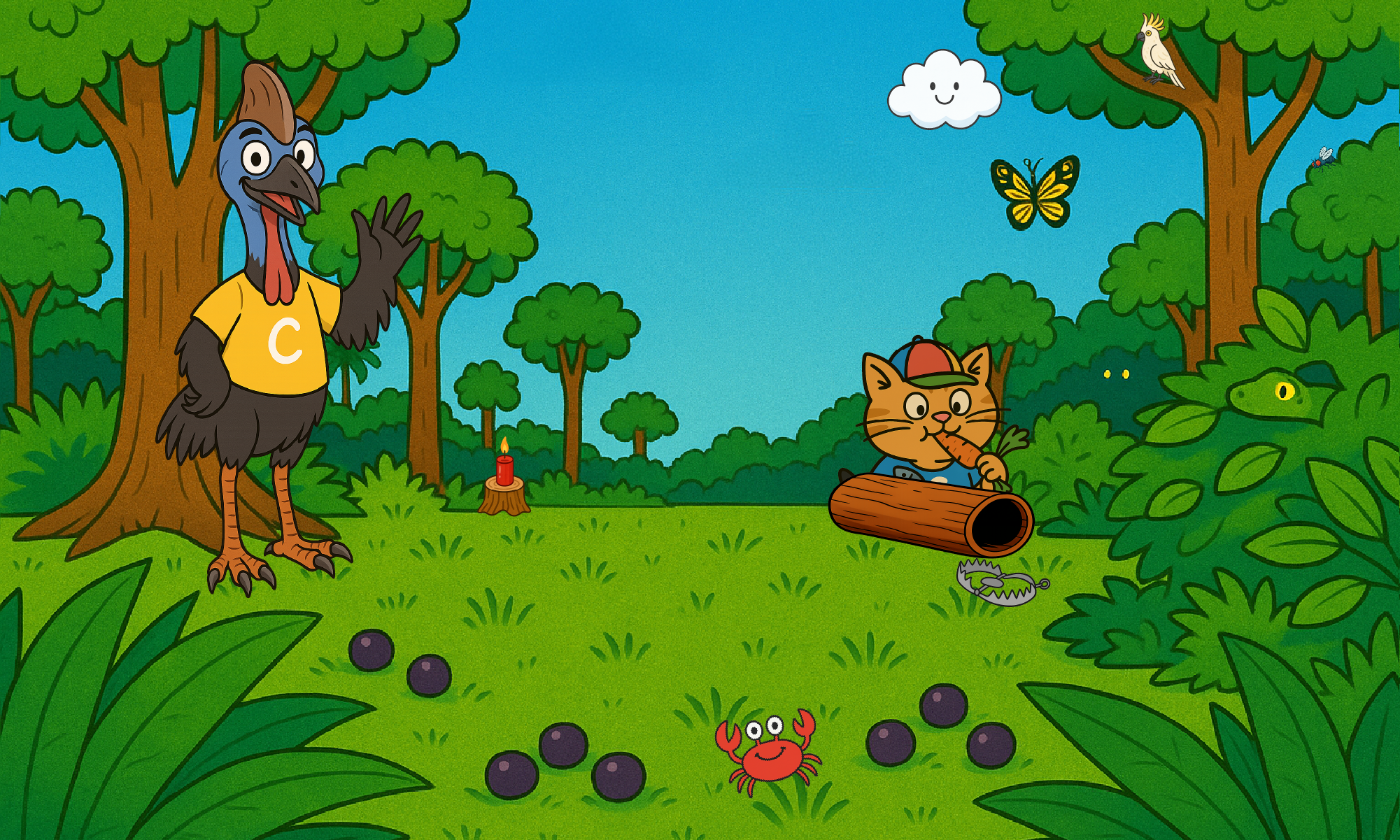
Wild Letters positions the child as a Junior Ecologist, a researcher and data collector, not a passive student. Each letter is introduced through an Australian keystone species, inviting children to investigate habitat, behaviour, and interdependence. The phoneme emerges naturally from this inquiry: the child discovers that Cameron Cassowary carries the sound /k/, just as he carries seeds through the rainforest. Numeracy concepts emerge just as naturally through ecological investigation: How many joeys in a pouch? How far does a wombat dig? How many termites does a numbat eat in a day?
Ecological Inquiry as Provocation

For Centres Grounded in Inquiry-Based Philosophy
The shift toward demonstrable learning outcomes places new demands on early childhood educators. For centres grounded in inquiry-based philosophy, the challenge is clear: how do we honour the child as a competent researcher while meeting compliance requirements in literacy and numeracy? Wild Letters was designed to resolve this tension not through worksheets, but through ecological provocation.

The Learning Cycle
Wild Letters is not a worksheet program. There are no isolated drills, no decontextualised letter practice. Every activity emerges from the child's encounter with a living ecosystem.
1. Provocation (Field Guide)
The session begins on the mat. Large-scale illustrations and narrative poetry serve as a shared visual provocation. The educator introduces Tier 3 vocabulary (e.g., frugivore, adaptation), sparking dialogue about habitat and behaviour. This is about wonder and oral language sparking curiosity before any explicit phonics.
2. Investigation (Discovery Cards)
The group transitions to explicit instruction. The educator models Mouth Mechanics (phoneme production) and oral segmentation. Children collaborate on a Sound Hunt, connecting abstract sounds to concrete objects through guided, scaffolded discussion.
3. Codification (Field Report)
Inquiry moves to the tables, Children become researchers, using Field Reports for intentional mark-making, recording symbols and labelling anatomy.This creates a visible artifact of learning that parents treasure and assessors value
4. Activation (The Games)
The session concludes with embodied gameplay. Physical activation links muscle memory to phonemic recall while reinforcing executive function skills, turn-taking, inhibition and working memory in a joyful high energy finale.
5. Synthesis (Lesson Outcome Summary)
The educator completes the cycle by recording outcomes in the LOS PDF. By documenting outcomes across Literacy, Numeracy and Executive Function, the educator creates evidence of learning aligned with EYLF requirements and NQS Quality Area 1. A Field Report scan is attached as the final proof of the child’s research journey.

Each character has been carefully chosen to represent their letter sound while introducing children to Australia's incredible native wildlife. These aren't mascots - they're entry points into genuine ecological inquiry.
Meet the Wild Letters Crew
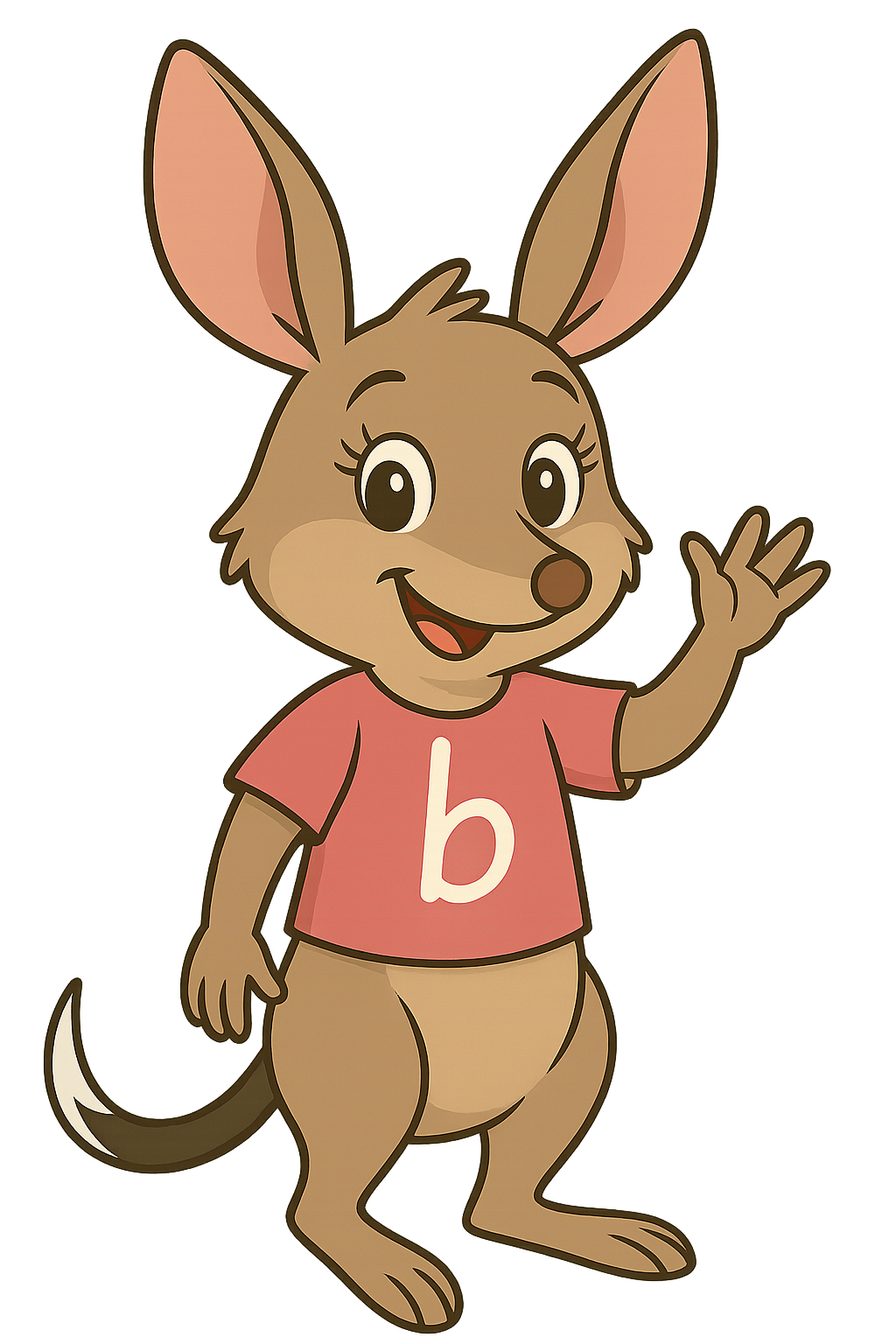
Bella Bilby
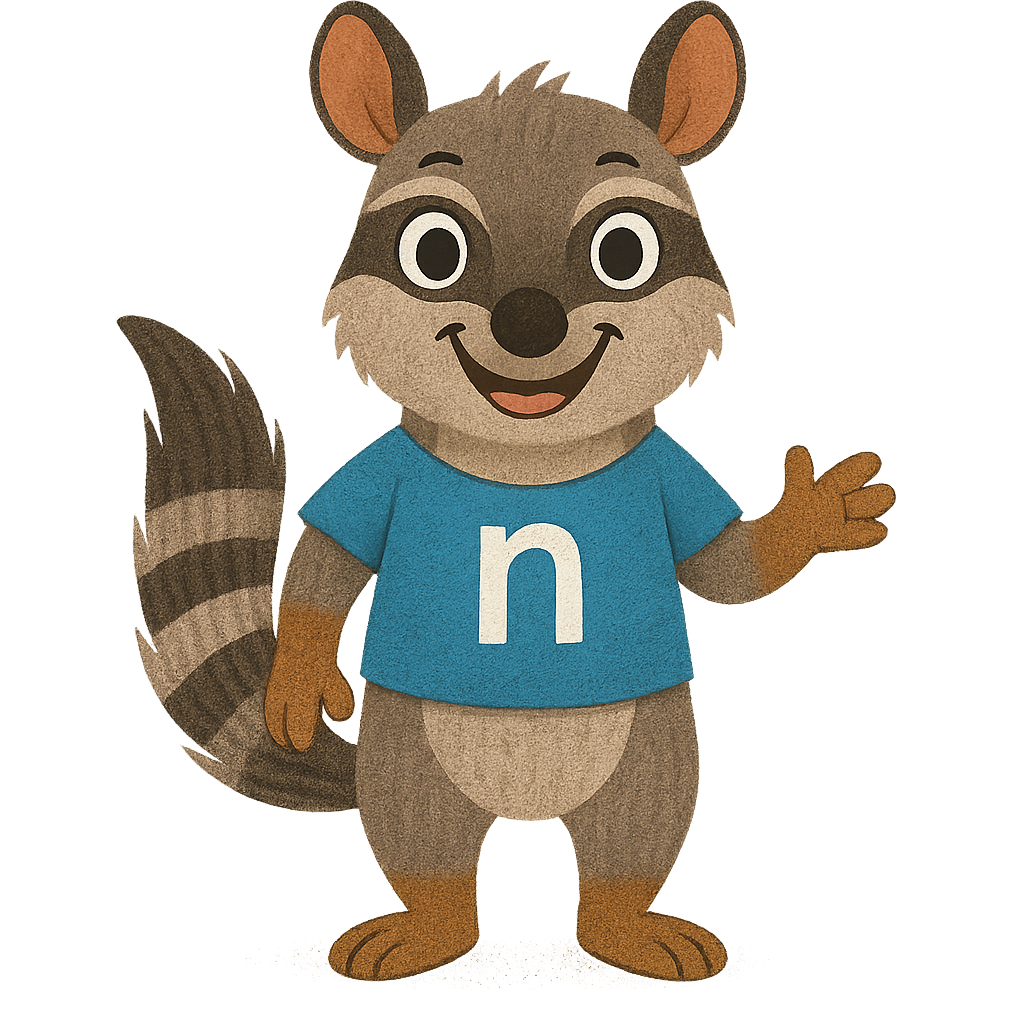
Neddy Numbat
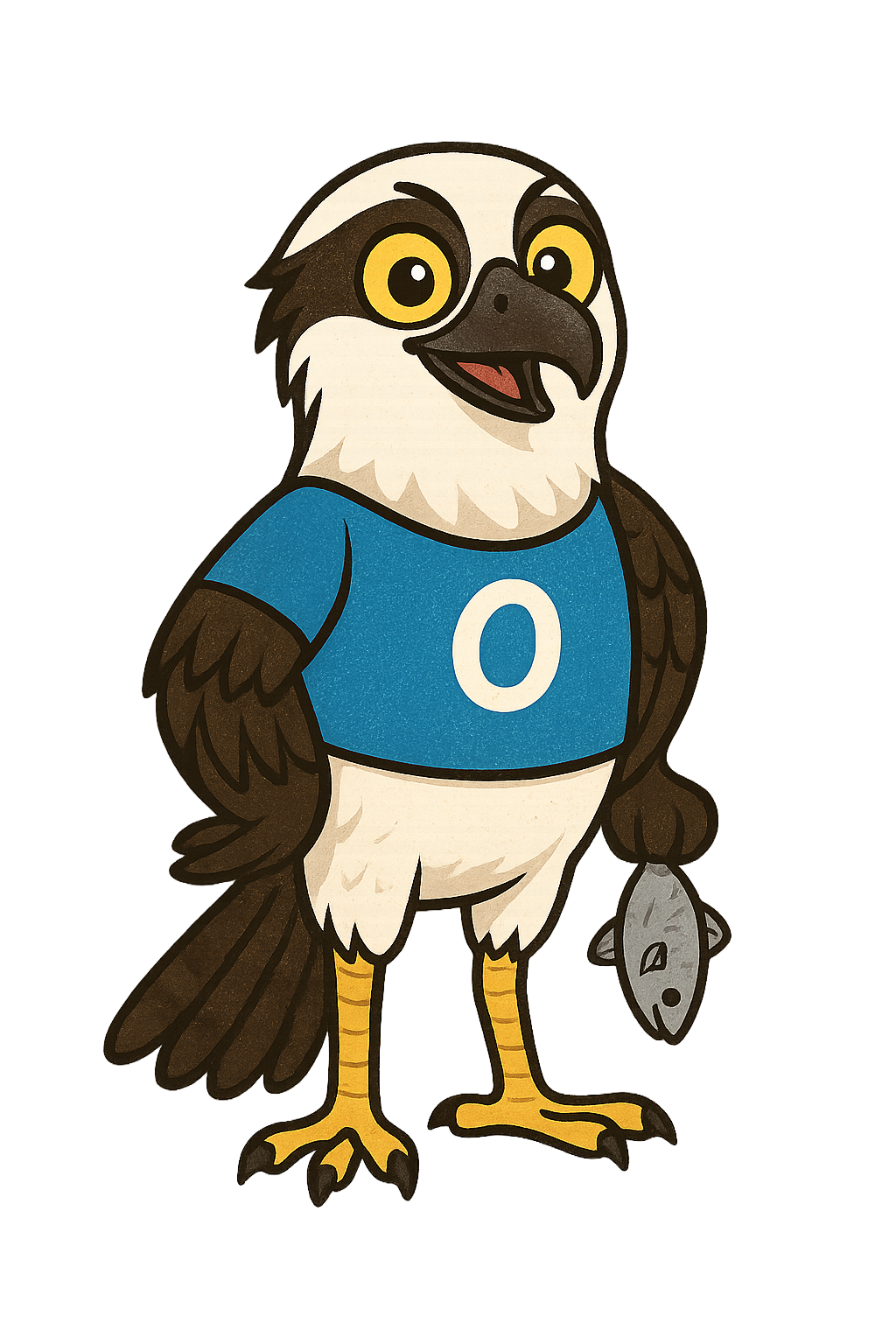
Olly Osprey
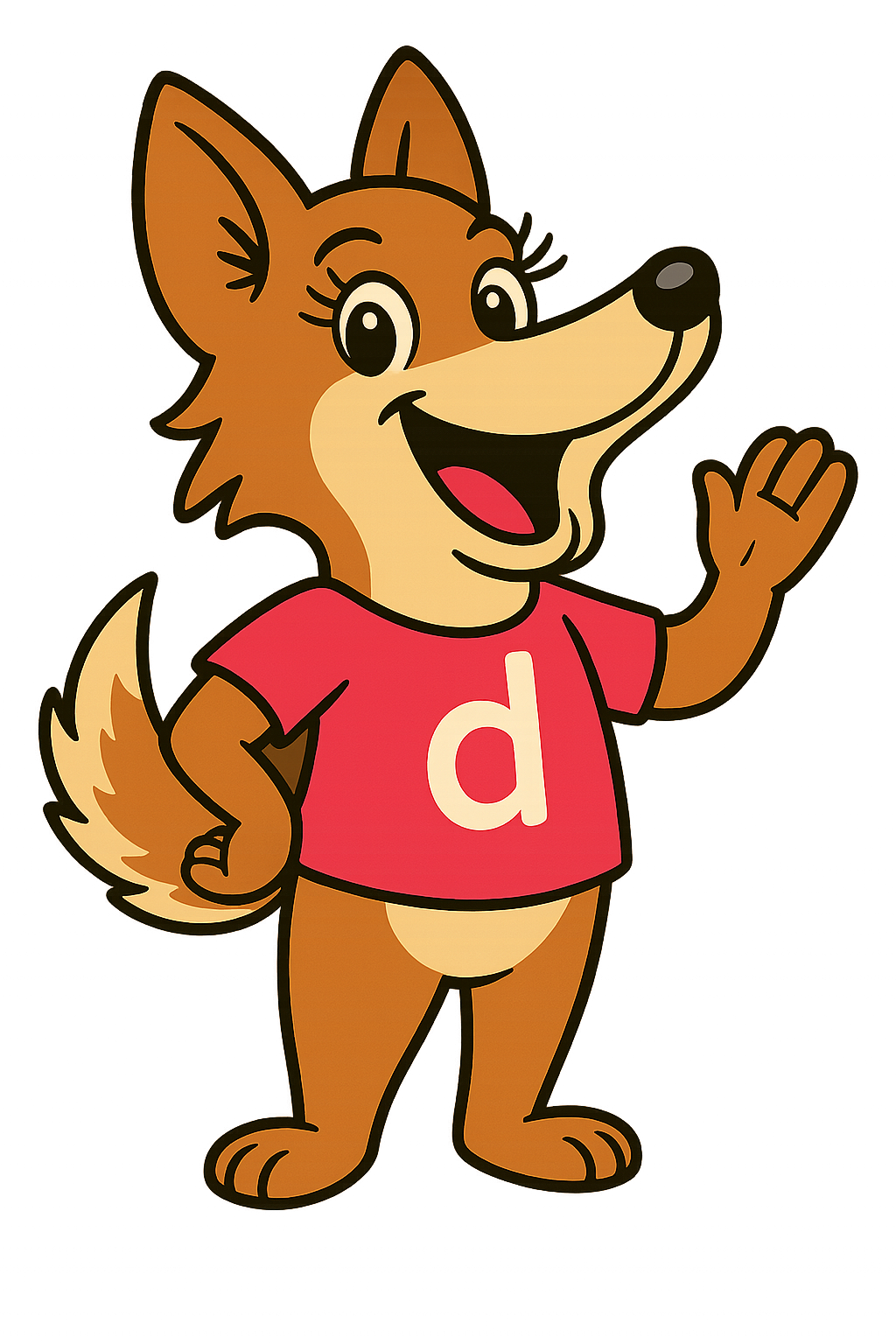
Daisy Dingo
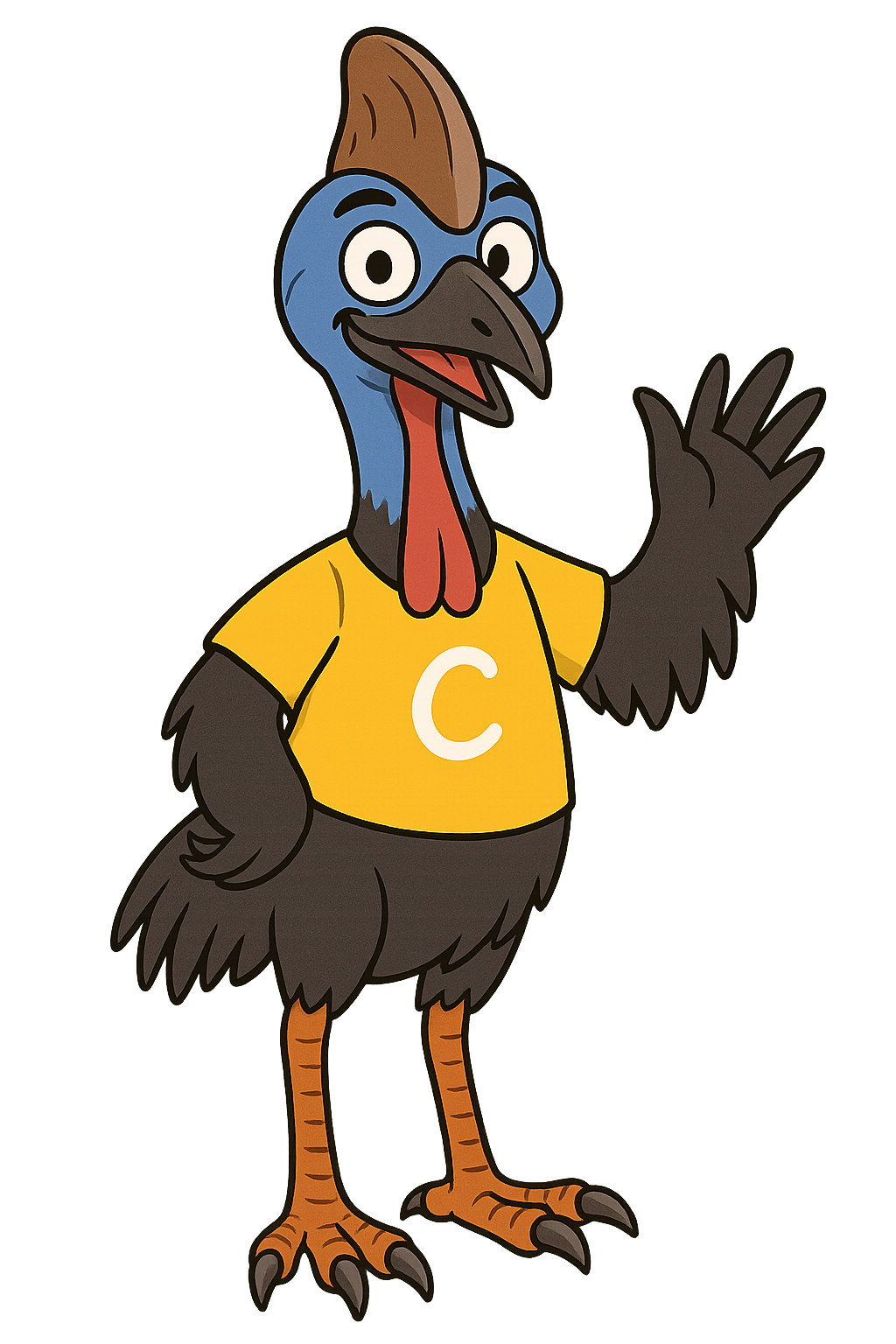

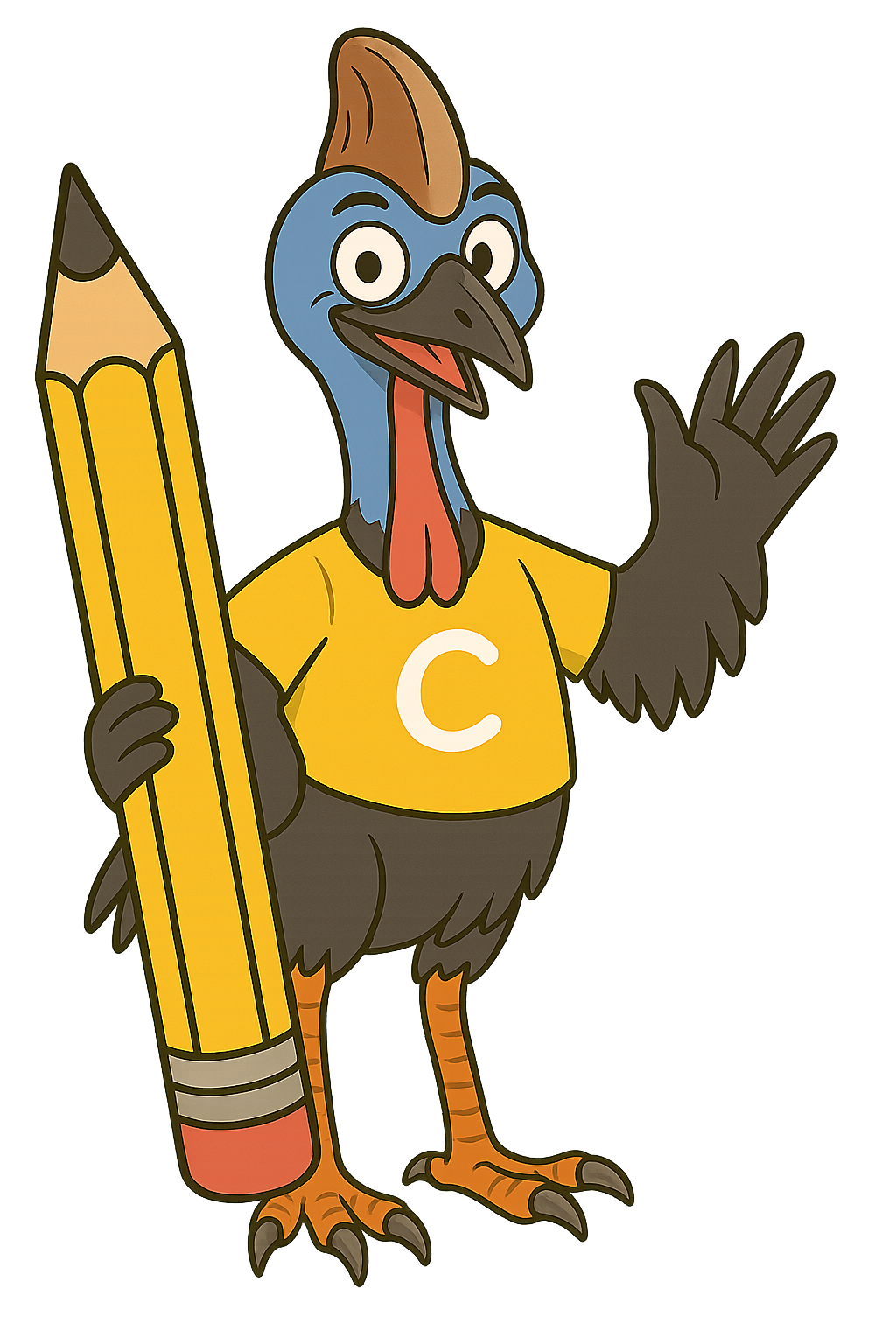
Cameron Cassowary
Ruby Red Belly
+20 more delightful native Australian animal characters

Created by an Educator Not a Publisher
Wild Letters was created by Antoinette Foley-Jones, a qualified early childhood educator and founder of Antoinette's School of Early Learning. With over 15 years of experience running a successful centre on Sydney's Lower North Shore, Antoinette developed this program from a simple conviction: phonics instruction doesn't have to feel like drill. Her students' consistent success in the transition to school is the evidence she trusts most.


Connect with Antoinette
We are currently selecting our inaugural cohort of Foundation Partners for the 2026 academic year. Let's discuss how Wild Letters aligns with your Quality Improvement Plan and supports your approach to early literacy.
Telephone: 0432984881 email: antoinette@wildletters.net
Immediate Next Steps:
Request our full Program & Implementation Guide.
Discuss a risk-free **Pilot Program** for a term.
Get tailored pricing for multi-centre packages.